
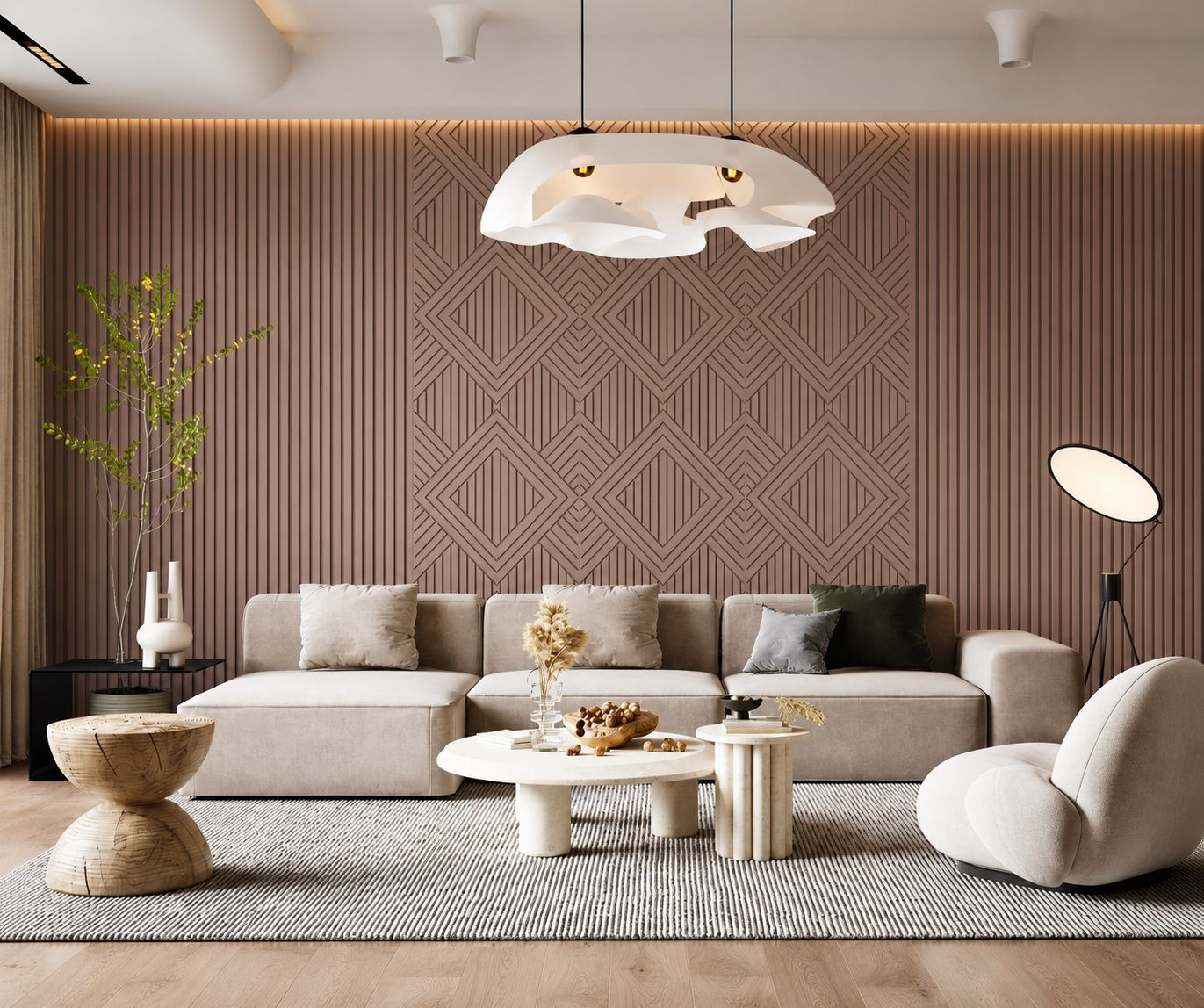
PPP — the Plymaarque Premium Panel — is our full-height decorative panelling system: 9.5 feet tall, available in widths from 5 inches to 24 inches, and designed to be combined rather than repeated. Instead of one module tiled across a wall, PPP lets you compose a rhythm of narrow and wide sections in a single continuous run, floor to ceiling, with no horizontal joint. This guide covers what PPP is, where it works best, how it is installed, and how to specify it correctly for an Indian home.
What Exactly Is PPP?
PPP stands for Plymaarque Premium Panel. It is a decorative interior panel supplied in 9.5 ft lengths — deliberately taller than the standard 8 ft board — so that a typical 9 to 9.5 ft Indian ceiling height can be clad in a single uninterrupted piece. Widths run from 5 inches to 24 inches, and the system is intended to be mixed: a 24-inch field panel beside a 7-inch accent, then a 12-inch return, creating a composed elevation rather than wallpaper-like repetition.
- Height: 9.5 ft — full floor-to-ceiling coverage with no horizontal joint
- Widths: 5 inches to 24 inches, mixable within one wall
- A combination system — multiple panel profiles designed to sit together
- Suited to living rooms, bedroom headboard walls, lobbies, offices and retail
Why The 9.5 ft Height Matters
Most decorative panels in the Indian market arrive at 8 ft. On a 9 ft ceiling that forces a horizontal splice near the top of the wall — the one detail that immediately reads as budget joinery, because the eye catches the line and the grain rarely matches across it. PPP removes the problem at source. A 9.5 ft panel is cut down to the exact ceiling height on site, so every seam is vertical, intentional and part of the design.
“A wall stops looking clad and starts looking built the moment you remove the horizontal joint.”
— Plymaarque Atelier
Where PPP Works Best
- Living room feature walls behind the television or sofa
- Bedroom headboard walls, carried full height rather than stopping at bed level
- Entrance foyers and passage walls where depth and shadow do the work
- Reception areas, cabins and boardrooms in commercial interiors
- Retail and hospitality backdrops that need scale without heavy detailing
How To Specify PPP For Your Space
Start with the wall's total width and your ceiling height. Divide the wall into a sequence of panel widths rather than a single repeated module — an asymmetric rhythm (for example 24-12-7-24-12) almost always looks more considered than an even grid. Keep the narrowest panels near corners and edges, where the eye reads them as trim. Confirm the finished ceiling height after false ceiling and flooring are complete, because that is the dimension PPP is trimmed to.
- Measure finished floor to finished ceiling — not slab to slab
- Plan the width sequence on paper before ordering quantities
- Allow for switch plates, sockets and AC grilles within the panel layout
- Decide lighting first: grazing light from above exaggerates panel depth beautifully
- Order 5–8% extra for cutting allowance and future repairs
Installation Notes
PPP is fixed to a levelled substrate — typically a plywood or MDF backing battened off the masonry — which keeps the finished face perfectly flat and allows services to run behind. Walls in Delhi are rarely true, and panelling fixed directly to plaster will telegraph every undulation under raking light. Budget for the backing; it is the difference between a panelled wall and a premium one.
PPP vs Louvers, Fluted Panels And Charcoal Sheets
Louvers and fluted panels give you one repeating profile at a fixed module. Charcoal sheets are lighter and faster but flatter in character. PPP sits above both: it is a curated combination system, so a single wall can shift in width, depth and texture without changing product. If you want a wall that looks designed rather than covered, PPP is the specification.
Seeing PPP In Person
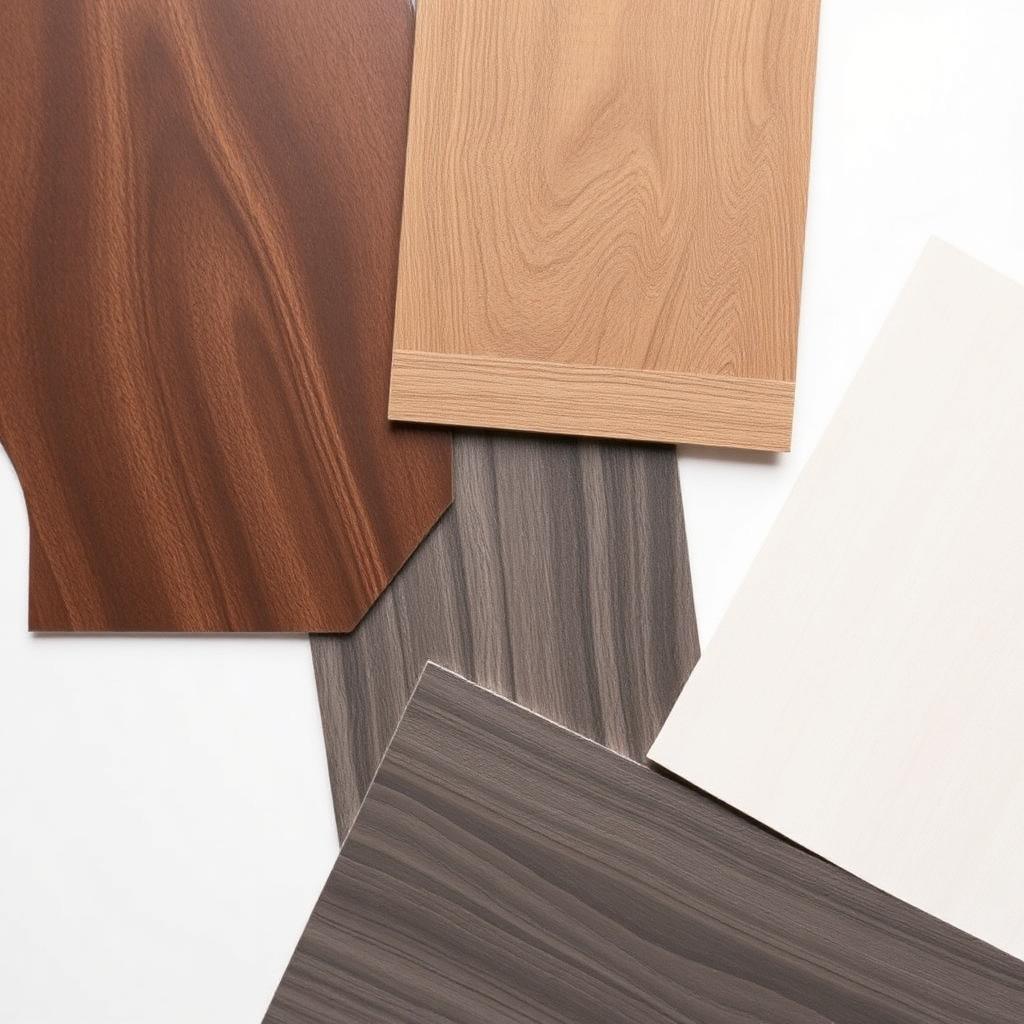
PPP is on display at the Plymaarque Experience Centre in Shahdara, Delhi, alongside our veneers, laminates, designer doors and decorative panel range. Full-height samples are the only honest way to judge scale — a 4-inch chip tells you nothing about how a 9.5 ft panel behaves under your lighting.
The Plymaarque Perspective
Every material we curate is chosen for one reason — to help architects, designers and homeowners build interiors that endure. Trends fade. Specification choices, made well, become the quiet luxury that defines a home for decades.
“Luxury is not what you add at the end. It is what you specify at the beginning.”
— Plymaarque Atelier

Conversation
Loading…