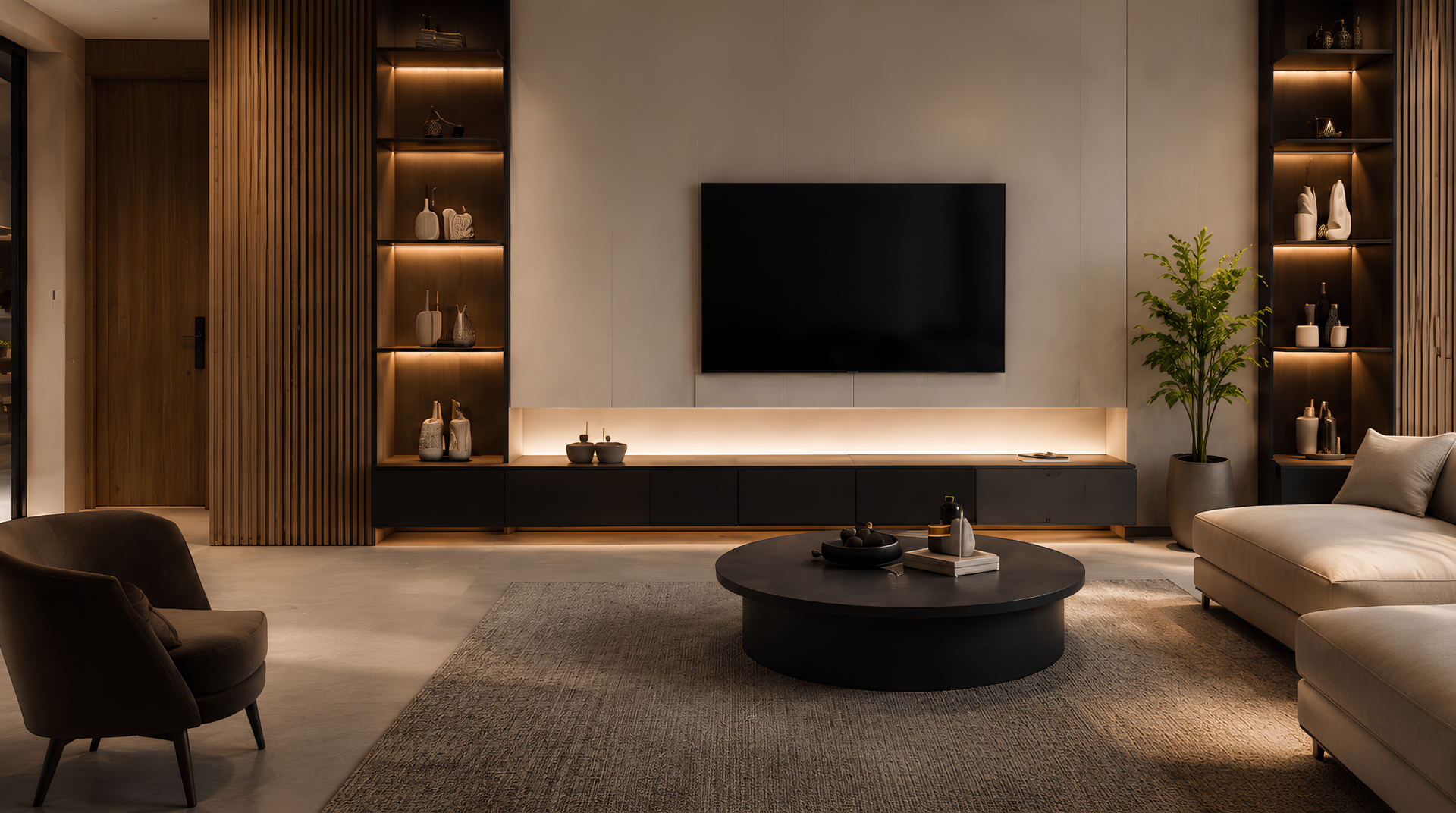
Ask ten homeowners what luxury interior design for a living room looks like and you will get ten mood boards. Ask ten architects and you will get one answer: it depends on the materials. The living room is the most photographed, most used and most scrutinised space in an Indian home — and it is the one room where inferior substrates reveal themselves fastest. This guide walks through a material-first approach to designing a luxury living room, from the feature wall to the joinery you never think about.
Start With The Feature Wall, Not The Furniture
Almost every luxury living room resolves around a single dominant plane — the wall behind the sofa, the television console backdrop, or the partition that separates the living space from the dining area. Decide this surface first. Everything else, from upholstery tone to lighting temperature, should follow it rather than compete with it.
Our decorative panels, fluted veneers and WPC louvers are designed for exactly this moment. A fluted veneer wall introduces vertical rhythm and shadow that photographs beautifully at every hour of the day. Charcoal panels and PU panels offer a flatter, more architectural calm for rooms where the art should lead. For a genuinely sculptural statement, onyx panels backlit at low intensity turn a living room wall into the room's light source.
“In a living room, the wall is the first thing the eye reads and the last thing it forgets.”
The Substrate Nobody Sees — And Why It Decides Everything
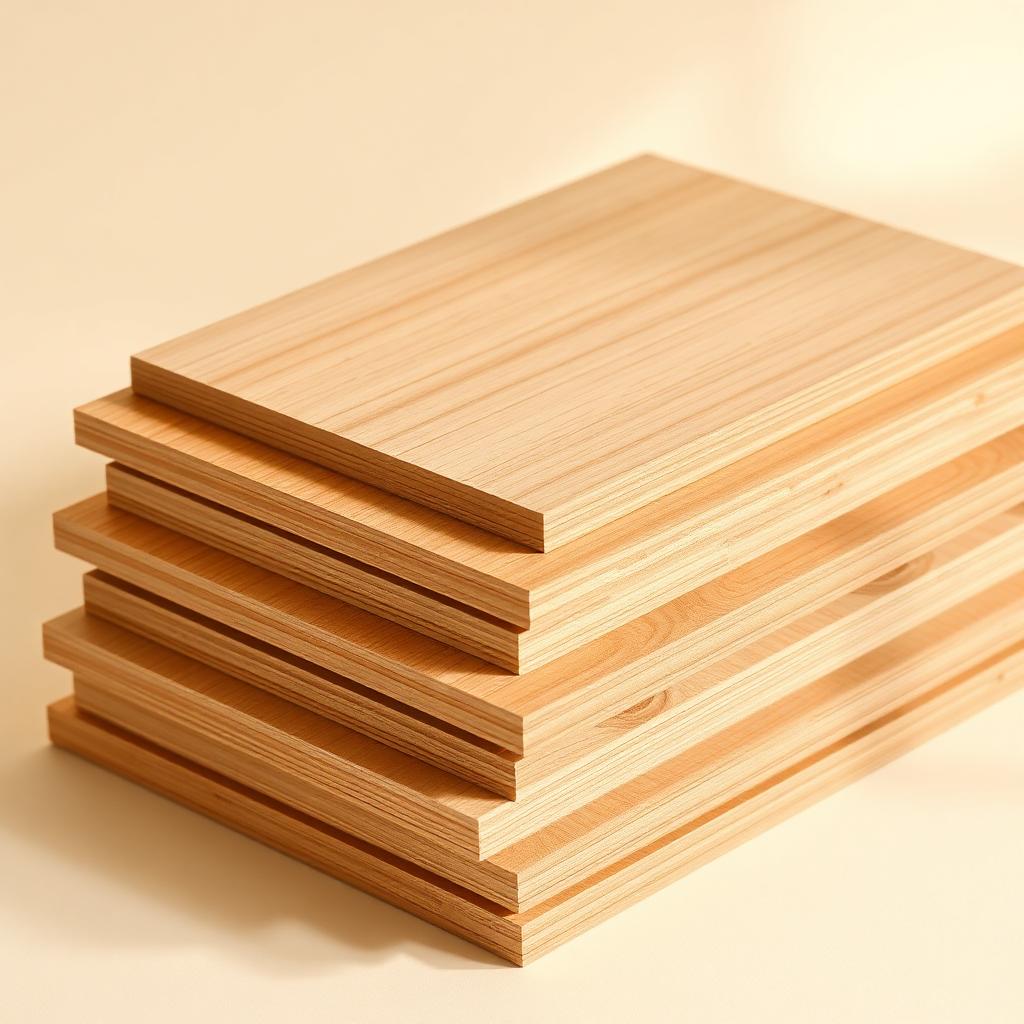
Behind every luxury living room finish sits a board. Media units, floating consoles, concealed storage, bar cabinets and window seating are all only as good as the plywood underneath them. In Indian conditions — humidity swings, monsoon months, air-conditioned rooms drying out joinery — the substrate is what separates a living room that looks new in year eight from one that shows swollen edges by year two.
- Premium plywood for all primary living room joinery and wall panelling frames
- HDHMR boards where you need a dead-flat surface for lacquer, PU or acrylic finishes
- Marine plywood for any unit adjoining a balcony, planter, bar or open window
- Blockboards for long shelving spans and console tops that must not sag
Specify the board grade in your drawings, not on site. A luxury living room designed on paper with the right core will survive a contractor's shortcuts far better than one that leaves the decision to the carpenter.
Layering Texture: Veneers, Laminates And Acrylics
The most common mistake in luxury living room interiors is using one finish everywhere. Depth comes from contrast — a matte against a gloss, a natural grain against a solid tone, a warm timber against a cool stone.
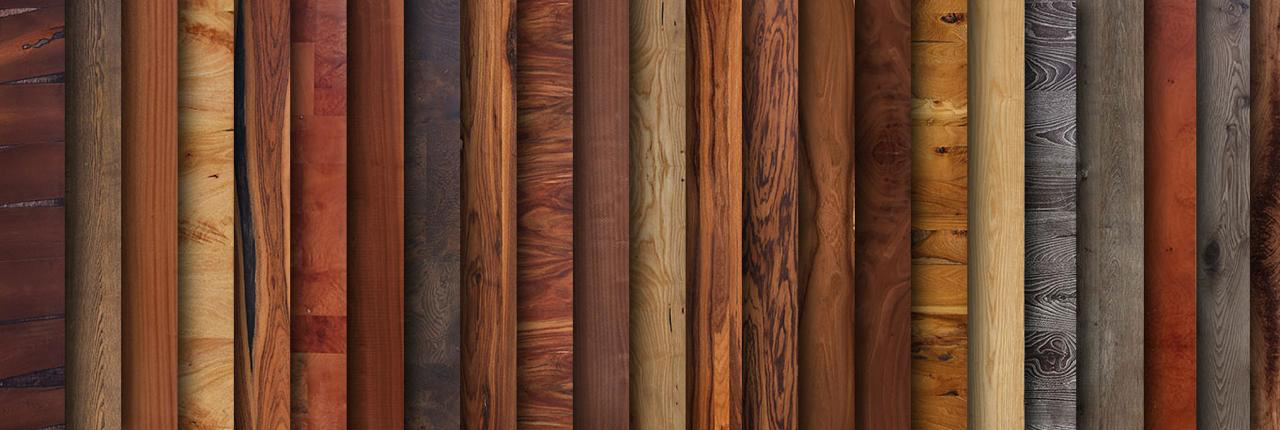
A working formula we recommend to architects: natural veneers for the surfaces the hand touches, laminates for the surfaces the eye scans, and acrylic sheets for the reflective accents that carry light across the room. Veneers give the living room its warmth and its unrepeatable grain. Laminates deliver consistency across large runs at a controlled cost. Acrylic panels, used sparingly on a bar front or a display unit, add the mirror-like depth that reads as expensive without shouting.
- Feature wall — fluted veneers, decorative panels or stone veneers
- Media and storage joinery — laminated ply with a matte laminate face
- Bar and display accents — acrylic sheets in deep tones
- Ceiling and cove detailing — moulding, beading and timber profiles
Floors, Thresholds And The Detail That Ties It Together
A luxury living room fails at its edges. Wooden floorings set the base tone of the entire space and should be selected alongside the feature wall, not after it. Where the living room meets a passage or a doorway, chaukhat and designer doors carry the material language forward instead of interrupting it. Mouldings and beadings — the least glamorous item on any BOQ — are what make panelling look intentional rather than applied.
“You can judge the budget of a living room by its centre table. You can judge the design by its skirting.”
A Practical Specification Checklist
- Choose the feature wall material before the furniture palette
- Lock plywood grade per zone — premium, HDHMR, marine or blockboard
- Limit the living room to three primary finishes plus one accent
- Match veneer batches for continuous grain across adjacent shutters
- Confirm the flooring tone against the wall finish in natural daylight
- Detail mouldings, beadings and door frames in the same drawing set
Luxury interior design for a living room is, in the end, a sequence of unglamorous decisions made in the right order. Get the substrate right, choose three finishes that argue gracefully with one another, and resolve the edges. The styling will take care of itself.
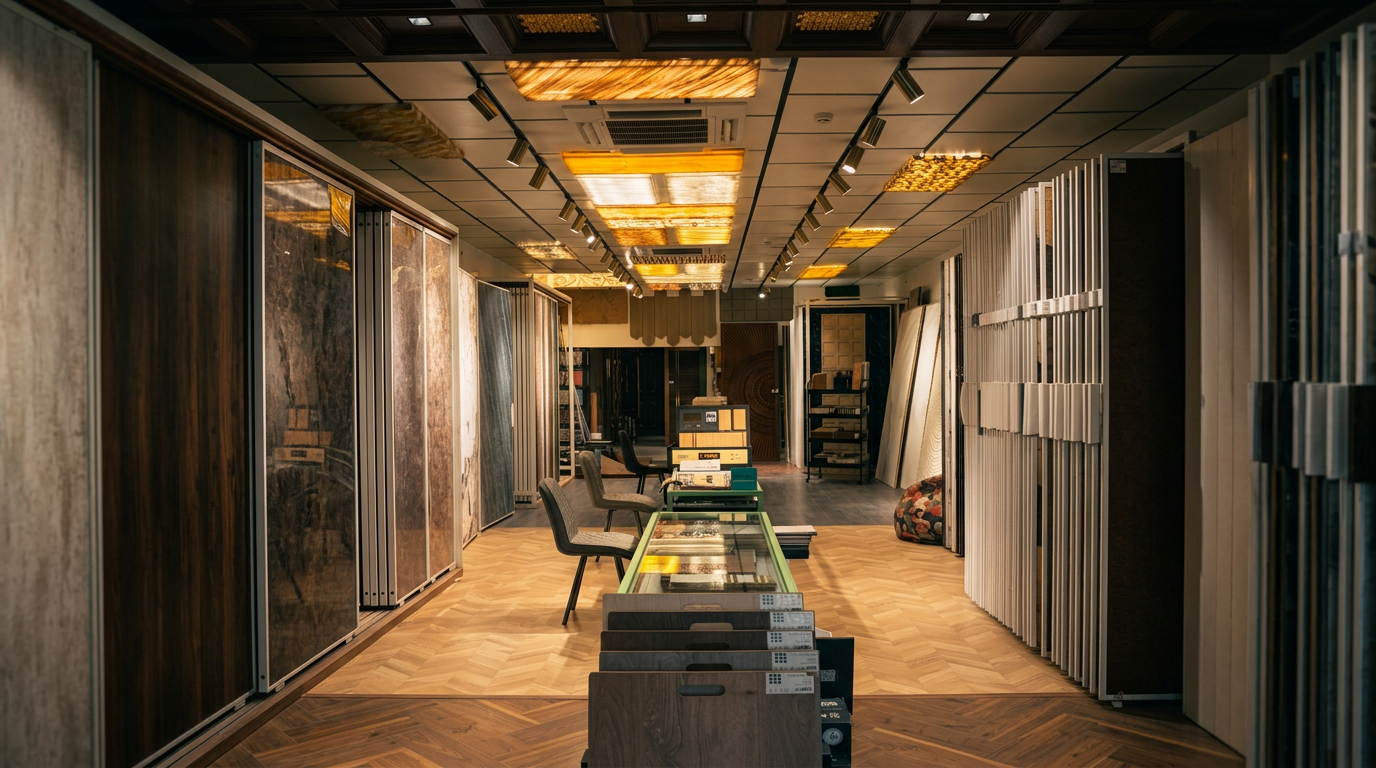
Visit the Plymaarque experience centre to see how these materials behave together at full scale — veneers, decorative panels, acrylics, laminates and flooring, laid out the way a living room actually reads.
The Plymaarque Perspective
Every material we curate is chosen for one reason — to help architects, designers and homeowners build interiors that endure. Trends fade. Specification choices, made well, become the quiet luxury that defines a home for decades.
“Luxury is not what you add at the end. It is what you specify at the beginning.”
— Plymaarque Atelier
Conversation
Loading…